Meter readings
Before and after sensor resistance values
Dryer Moisture Sensor Repair in Toms River, New Jersey is what we do when your dryer runs for two hours and your clothes still feel damp. We test the sensor with a multimeter, check the control board and vent, then replace the failed part with an OEM unit for Whirlpool, LG, Samsung, GE, or Maytag. Same-day dryer moisture sensor replacement in Toms River New Jersey is available when you call before noon.
Every moisture sensor repair starts with a full diagnostic and ends with a test load. Here is what is covered in the standard price, and what we treat as an add-on if we find it.
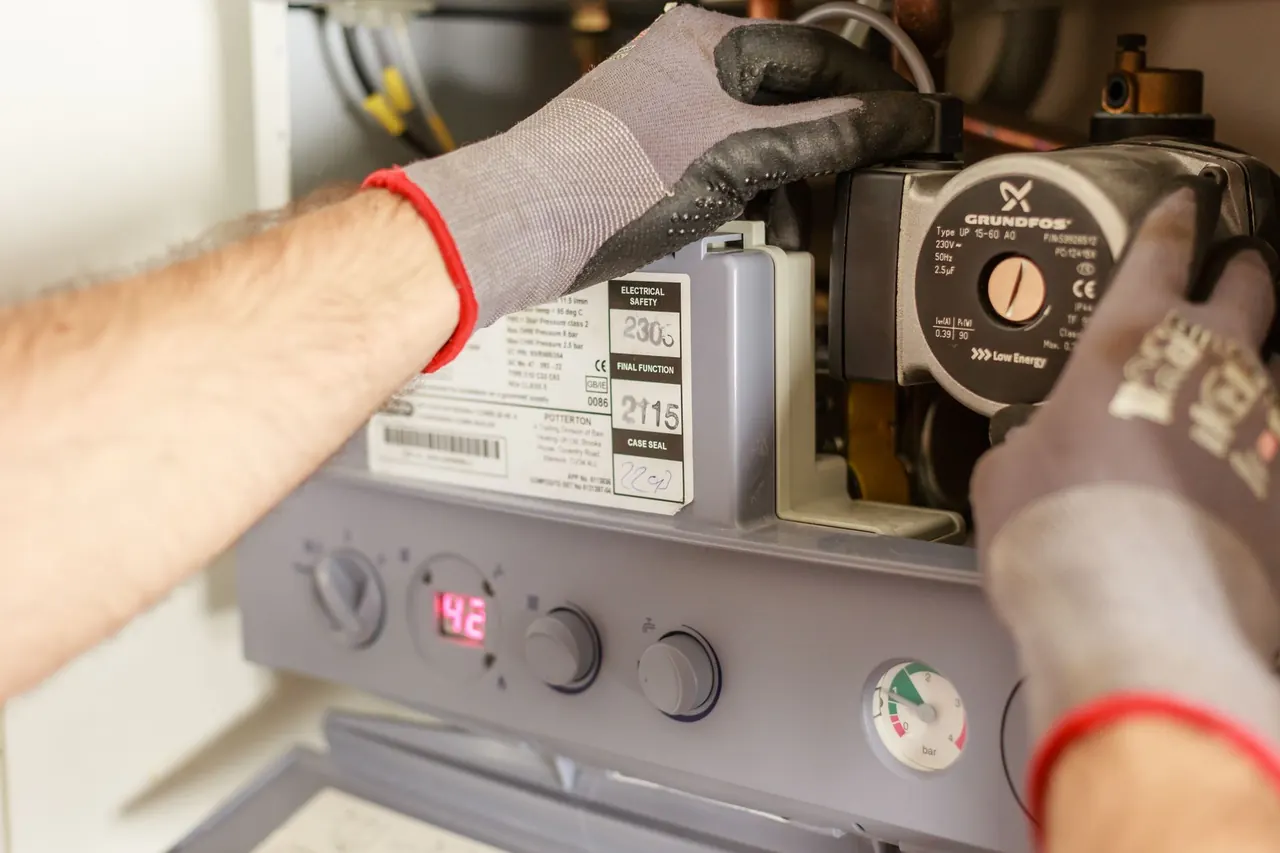

We repair moisture sensors on home dryers in garages, basements, and laundry closets across Toms River. You get a tested auto cycle and a clear explanation of what killed the sensor.
We service dryers in laundromats, apartment laundry rooms, and rental properties across Toms River. Multiple units can be handled in one visit to limit downtime.
Dryer Moisture Sensor Repair in Toms River, New Jersey is the diagnostic and replacement work that restores automatic dryness detection. The moisture sensor is a pair of metal bars inside the drum that read the conductivity of your wet laundry. When lint coats the bars or the sensor wire breaks, the control board never gets a reading, so the dryer runs the full timed cycle and still leaves clothes damp. We pull the sensor, test it with a multimeter, and check the harness back to the control board.
Most Toms River homes we visit have a dryer in a garage, a finished basement, or a laundry closet off the kitchen. Humidity from the nearby bay and ocean keeps those spaces damp, and damp air plus lint is what kills a moisture sensor. If your dryer not heating or your dryer overheating is the complaint, the sensor is often the root cause. We also inspect the dryer vent hose and blower wheel while we are in there.
We test the sensor, replace what failed, and prove the auto cycle works before we leave.
Five steps from your first call to a tested, working dryer. Most jobs take 60 to 90 minutes on site.
You describe the symptom: long cycles, damp clothes, or an error code. We ask about the brand, model, and age of the dryer. That tells us whether to bring a moisture sensor, a control board, or a thermal fuse. We give you a window and a text when the tech is on the way.
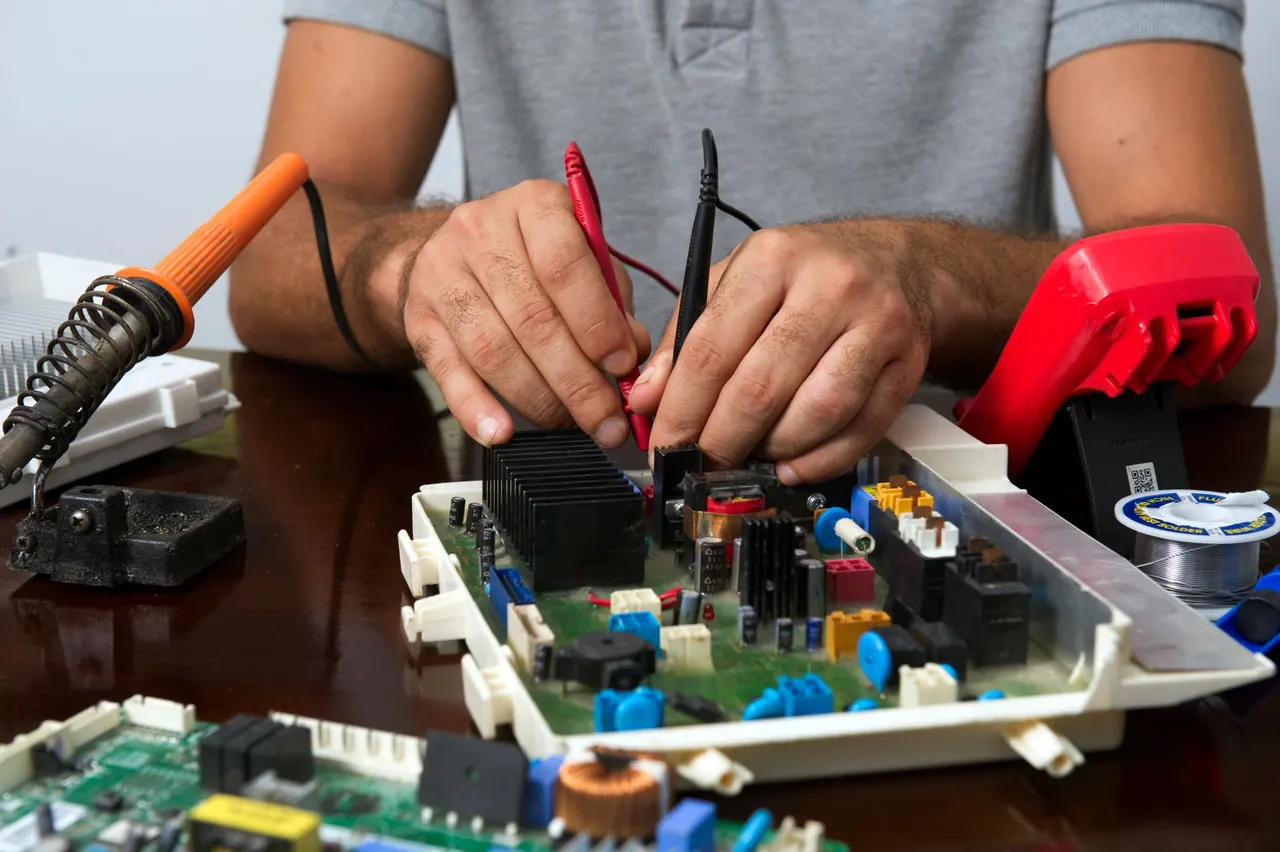
The tech pulls the dryer out on an appliance dolly, unplugs it, and removes the rear panel or top panel depending on the model. We test the moisture sensor bars with a multimeter for continuity and resistance. A reading above 50 megaohms means the sensor is dead.
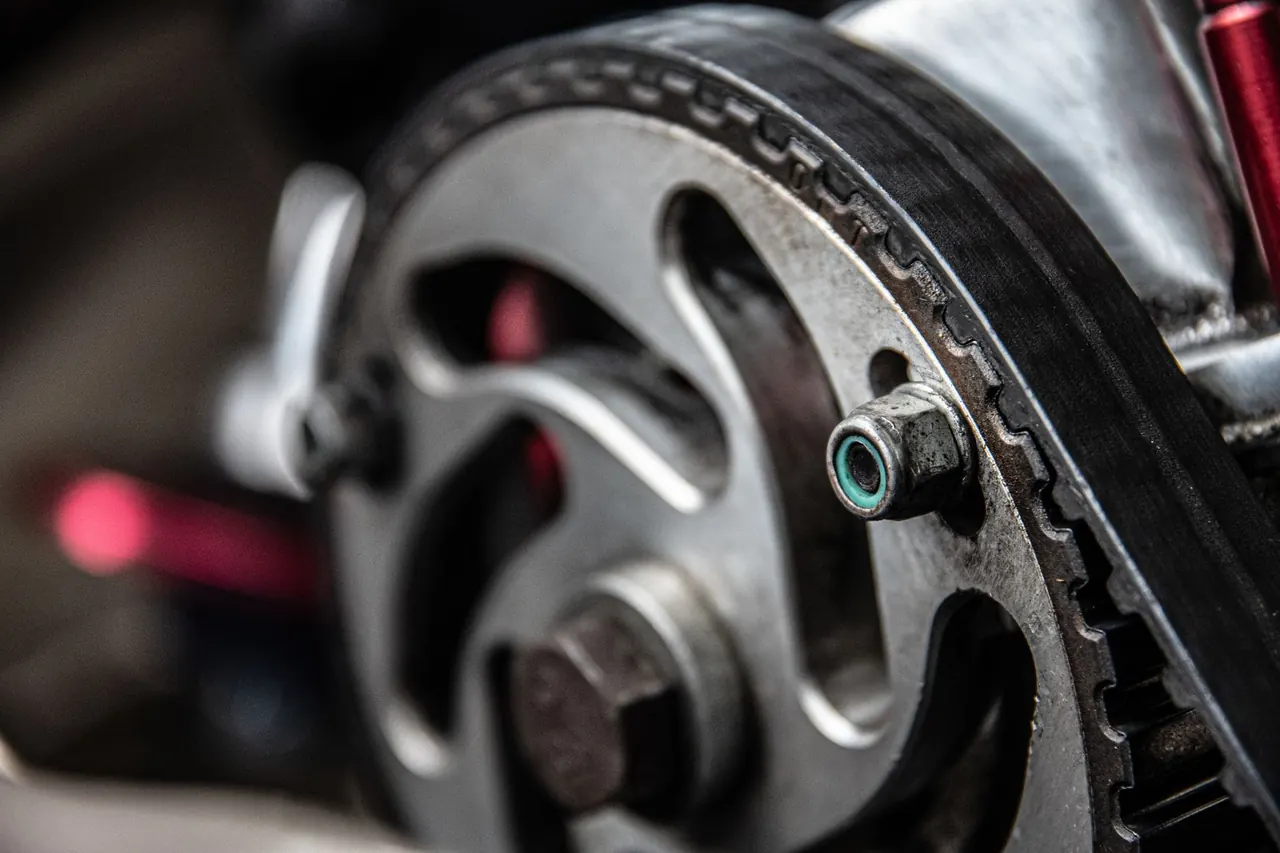
We remove the old sensor with a nut driver set, clean the mounting area with a tube brush and shop vacuum, and install the new OEM sensor. We check the wire harness back to the control board for corrosion or a broken pin. Lint packed behind the sensor gets vacuumed out at the same time.
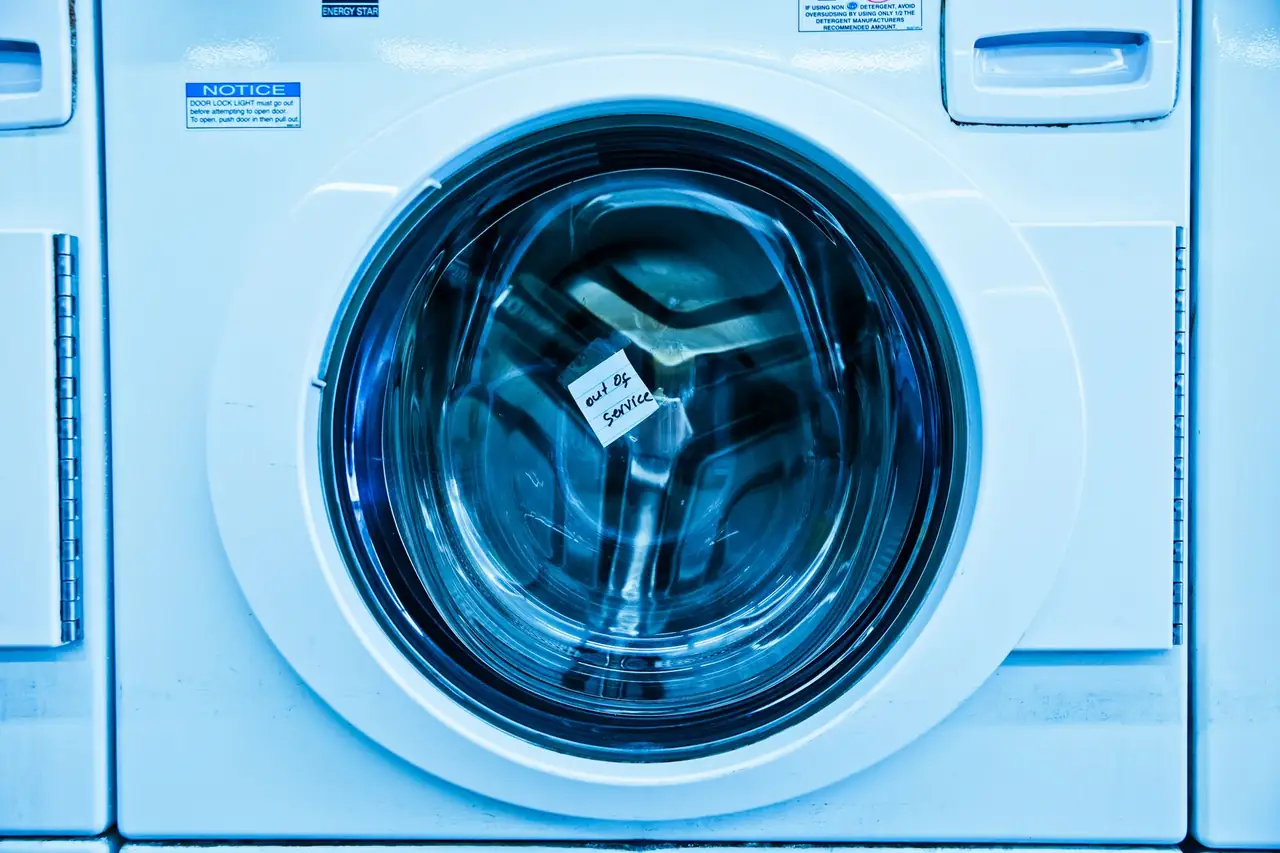
Before we close the cabinet, we check the dryer vent hose for kinks and the blower wheel for lint buildup. A clogged vent makes the dryer overheat and can trip the thermal fuse. We measure amp draw with a clamp meter to confirm the motor and heating element are pulling normal load.
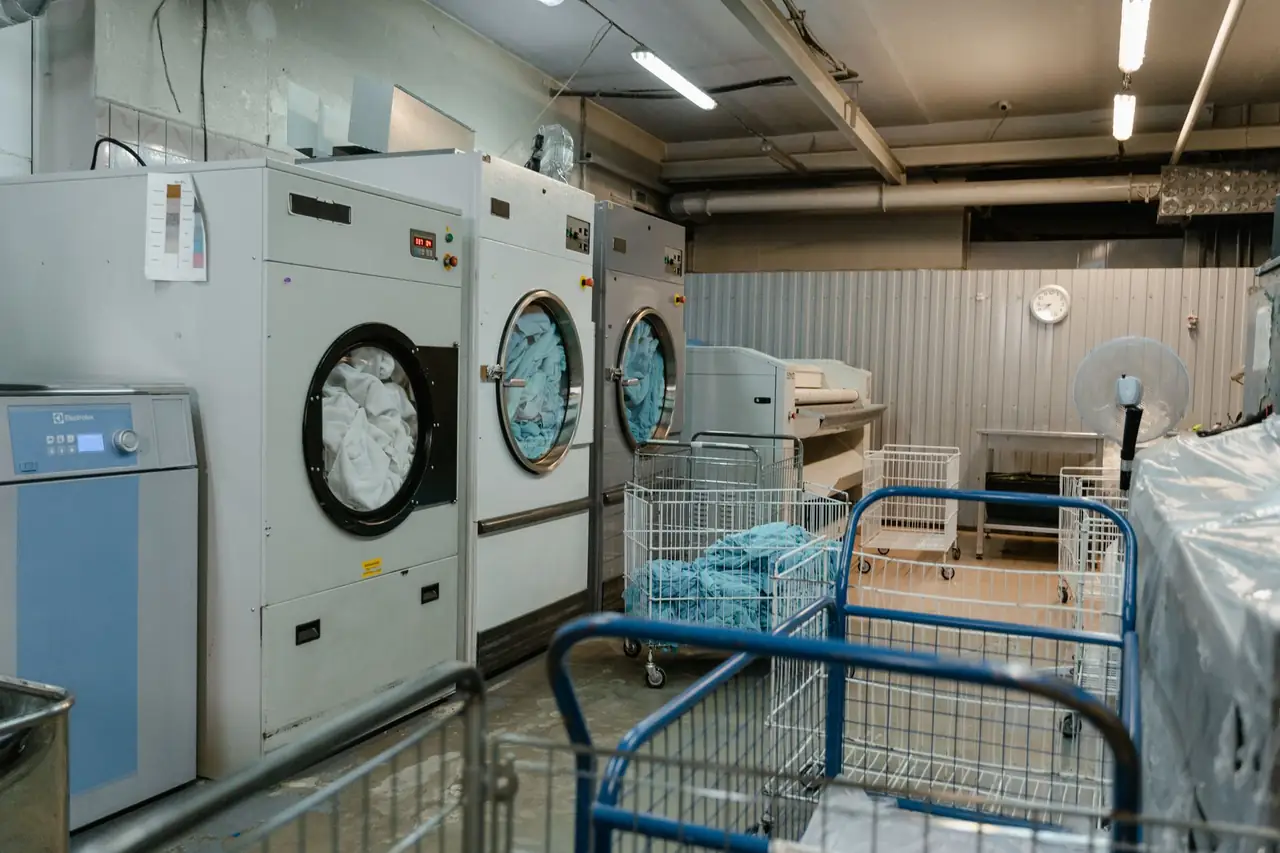
We run a damp towel load on the automatic dry setting and watch the cycle. The sensor should trip the dryer off within 40 to 55 minutes. We show you the old part, explain what killed it, and tell you how often to clean the sensor bars going forward.
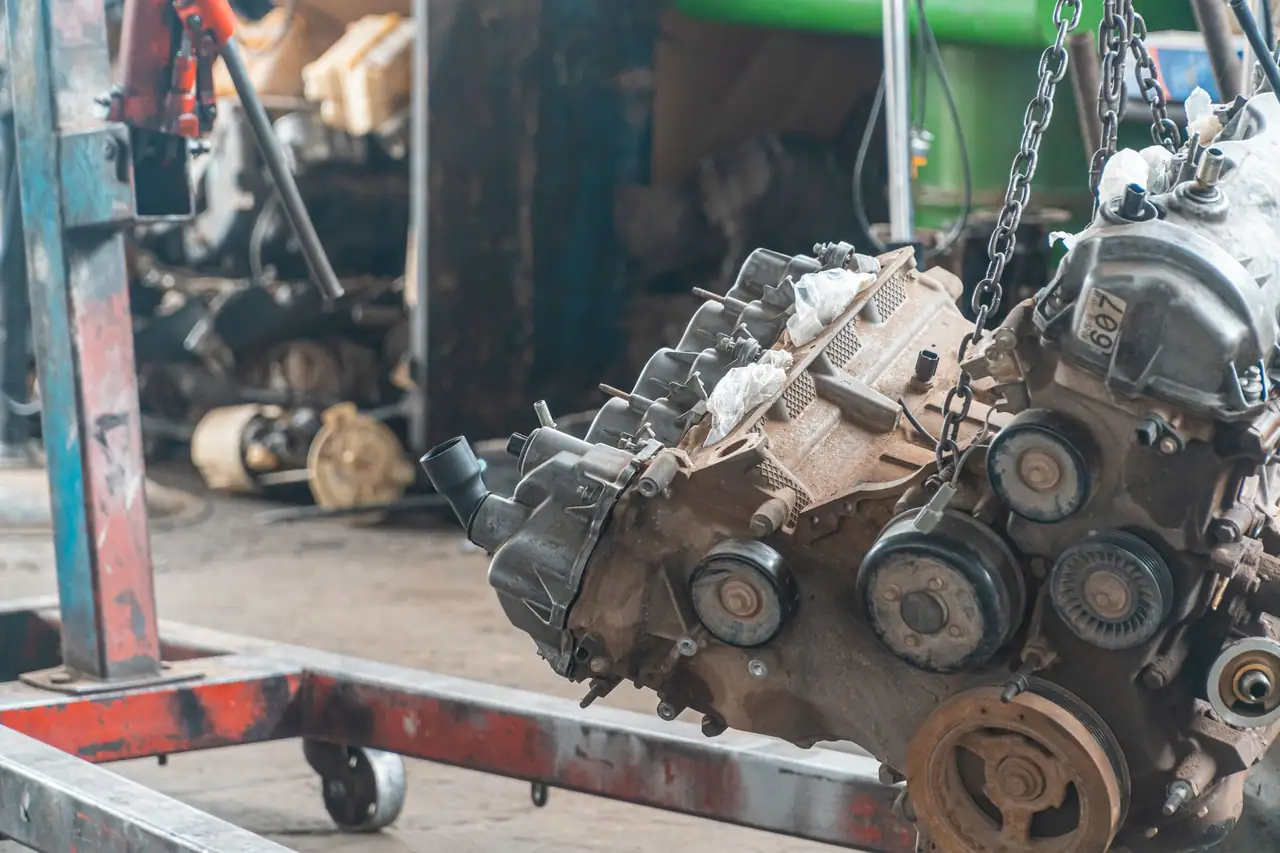
Reads continuity and resistance on the moisture sensor bars and the wire harness. A reading above 50 megaohms tells us the sensor is dead and needs replacement.

Measures amp draw on the motor and heating element while the dryer runs. It confirms the machine is pulling normal load and not working harder because of a vent restriction.

Removes the sensor mounting screws and cabinet panels without stripping heads. The right size driver matters on older Whirlpool and Kenmore dryers with tight fasteners.

Cleans lint and fabric softener residue off the sensor mounting area and out of the blower housing. A clean mounting surface is what lets the new sensor read accurately.
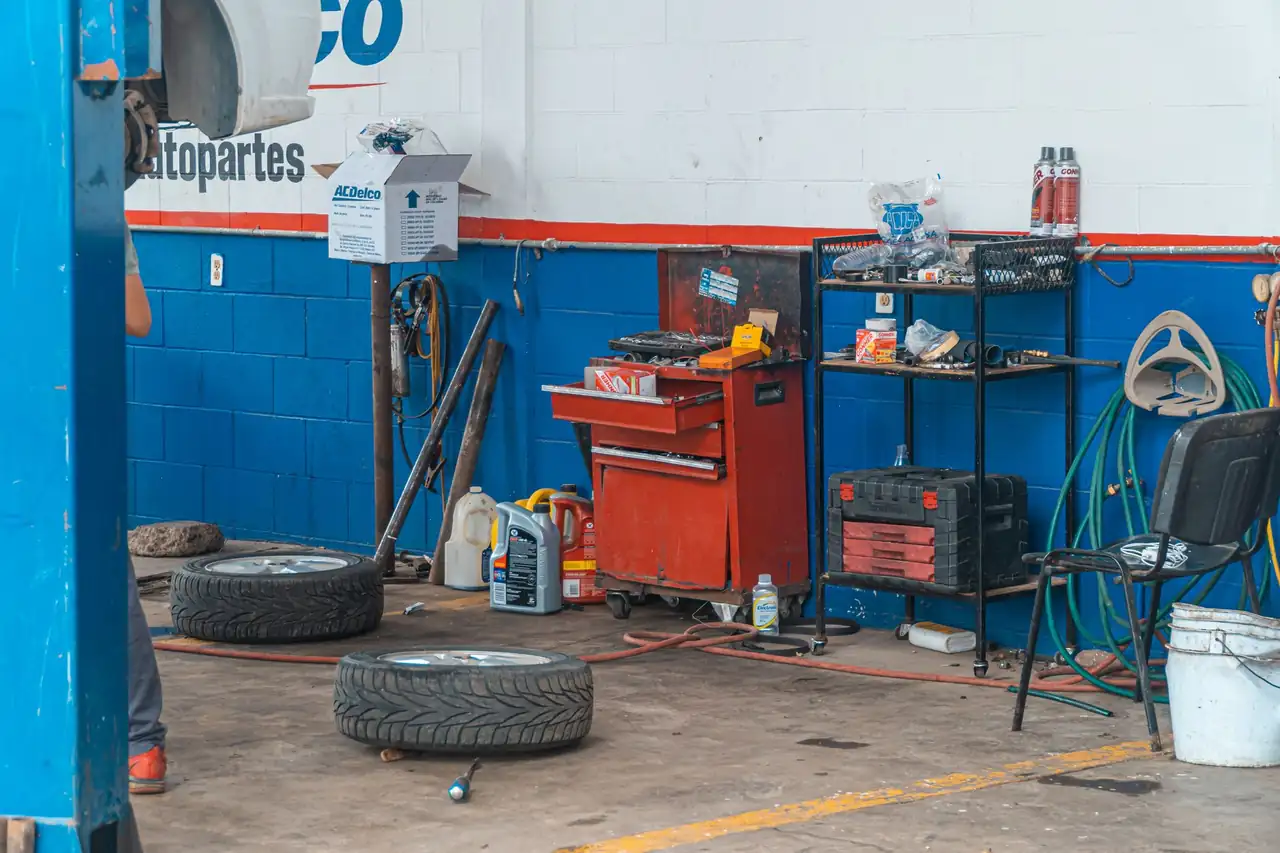
Moves the dryer out from the wall without scratching floors or straining your back. It also lets us reach the vent hose and rear panel safely on stacked and closet installs.

Spots hot spots in the vent run and around the heating element. It helps us find a restriction or a failing element before it trips the thermal fuse again.
We compare the sensor reading to the spec for your brand, whether that is Whirlpool, LG, Samsung, GE, Maytag, Electrolux, Bosch, Speed Queen, Kenmore, or Frigidaire. A sensor that reads out of range gets replaced, not cleaned and hoped for.
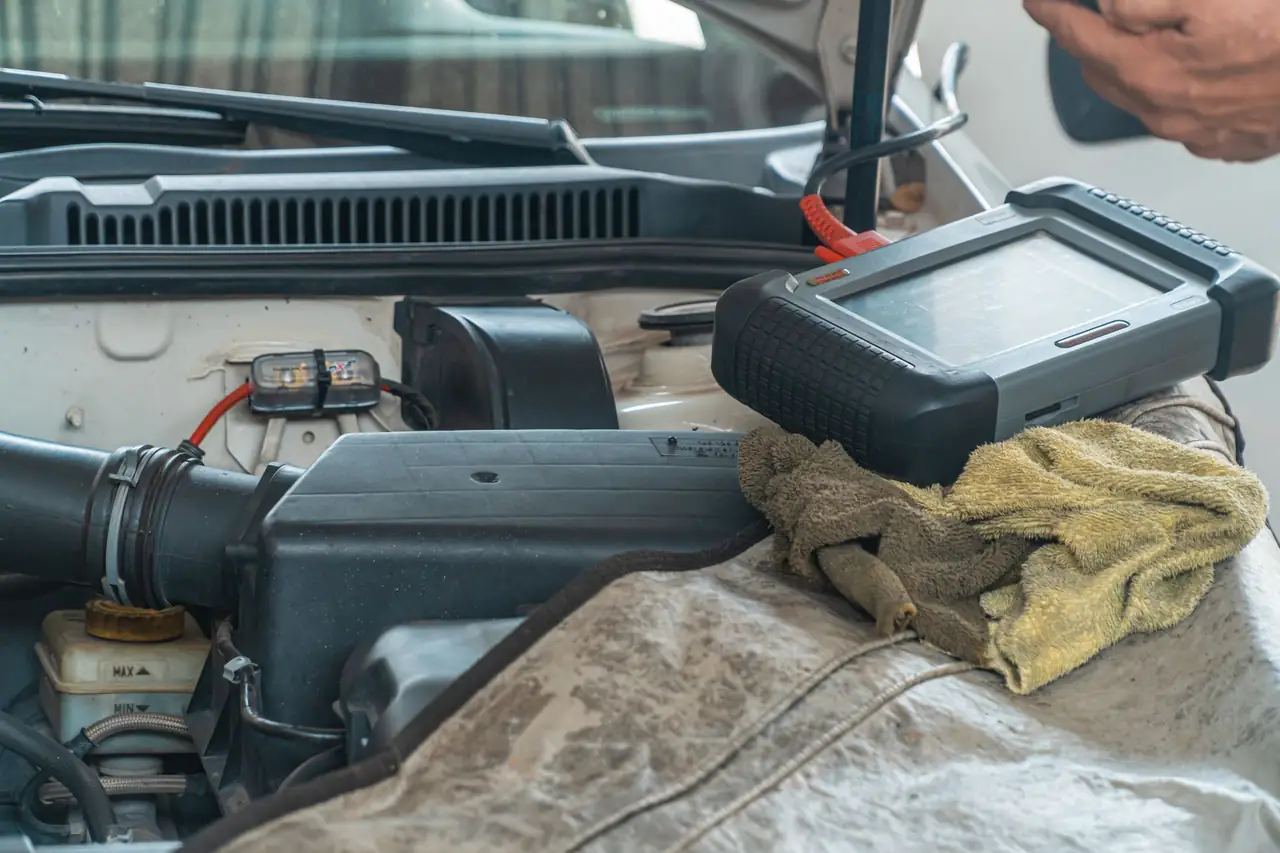
We measure the motor and heater amp draw with a clamp meter and compare it to the data plate. High draw points to a clogged dryer vent or a failing blower wheel. Fixing airflow is what makes the sensor repair last.
Cold, damp garage air slows evaporation and confuses the sensor. We test the sensor, check the vent hose for a kink or clog, and confirm the dryer is pulling the right amp draw. If the sensor is dead, we replace it with an OEM part on the spot. Cycle time drops back to normal and the auto setting stops running long. You stop re-drying every load on cold mornings.
Stacked units hide the sensor behind the drum. We bring the right tools to work in a tight closet without pulling the whole stack. We test the sensor, clean the bars, and check the vent run behind the unit. The dryer finishes on the auto setting and you get a clear explanation of how to keep the sensor clean going forward.
Commercial dryers run hard and sensors fail faster. We replace the sensor, test the control board, and clear the vent on a schedule that fits your operating hours. We can service multiple units in one visit. Machines finish cycles on time, customers stop asking for refunds, and your gas use per load drops.
A blown fuse is a symptom, not the cause. We check the moisture sensor, vent hose, and blower wheel for the restriction that is causing the overheat. Fixing the airflow is what stops the fuse from blowing again. The dryer runs cool, the fuse holds, and the moisture sensor reads correctly on a test load before we leave.
Toms River sits between the bay and the ocean, and that humidity follows your laundry into the garage or basement. We see more moisture sensor failures here than in drier inland towns, especially on dryers installed against an exterior wall. Most homes in Silverton, North Dover, and Holiday City have the dryer in a garage or a finished basement, which stays damp from October through April. That damp air plus lint coats the sensor bars and shortens their life. We also run into long vent runs on raised ranches and capes, where a clogged dryer vent causes overheating and blows the thermal fuse. If you need affordable dryer moisture sensor repair in Toms River NJ, we bring the OEM sensor, a multimeter, and a shop vacuum to clean the housing. We check the vent hose on every job because airflow problems mimic a bad sensor. For 24/7 Dryer Moisture Sensor Repair Toms River requests, we prioritize calls where the dryer is overheating or tripping the breaker. Our techs know the building stock here, from older homes near Downtown Toms River to newer construction in Bey Lea, and we adjust our approach for tight closets and stacked units.
An LG dryer in a Silverton garage ran 110 minutes on the auto setting and the towels still felt damp. The homeowner was re-running every load and had stopped using the automatic cycle altogether. The sensor read open on the multimeter.
We replaced the OEM moisture sensor, cleared a lint clog in the vent hose, and ran a test load. Cycle time dropped to 48 minutes and the auto setting tripped correctly. The homeowner stopped re-drying loads and cut two cycles a week.
Wipe the sensor bars with a dry cloth every month and clear lint from the vent hose twice a year. In a damp garage, check the sensor every six months.
A Whirlpool dryer near Downtown Toms River overheated and blew the thermal fuse twice in one month. The homeowner kept replacing the fuse, but the dryer shut off mid-cycle every time. The vent hose was crushed behind the unit.
We replaced the moisture sensor, cleared the crushed vent hose, and verified amp draw with a clamp meter. The dryer ran a full test load without tripping the fuse. The thermal fuse has held since the repair.
Keep at least four inches of clearance behind the dryer so the vent hose does not kink. Vacuum the vent run every fall before the heating season.
A stacked Samsung dryer in Holiday City ran past the auto setting and never shut off. The homeowner was using timed dry and guessing at the right cycle length. The sensor was coated with fabric softener residue and read out of spec.
We cleaned the sensor housing, installed a new OEM sensor, and checked the blower wheel for lint. The test load finished in 52 minutes on the auto setting. The homeowner went back to using the automatic cycle with confidence.
Skip liquid fabric softener, which leaves residue on the sensor bars. Run a test load on the auto setting once a month to confirm the sensor still trips.
A bad moisture sensor rarely announces itself. These are the complaints we hear most from Toms River homeowners before they call us.
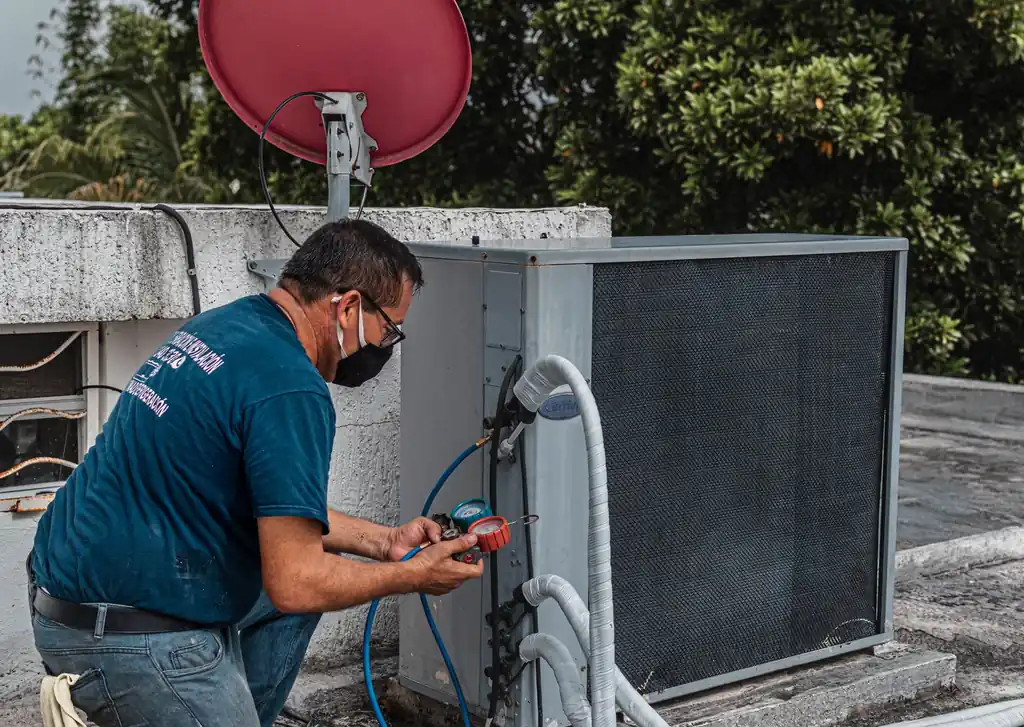
We test the sensor with a multimeter and replace it if the resistance is out of spec. We also check the vent hose and blower wheel, because restricted airflow causes the same symptom and often kills the sensor in the first place. You re-run the load, which doubles gas or electric use and puts extra wear on the drum, belt, and blower wheel. Over a month, that is dozens of wasted cycles.
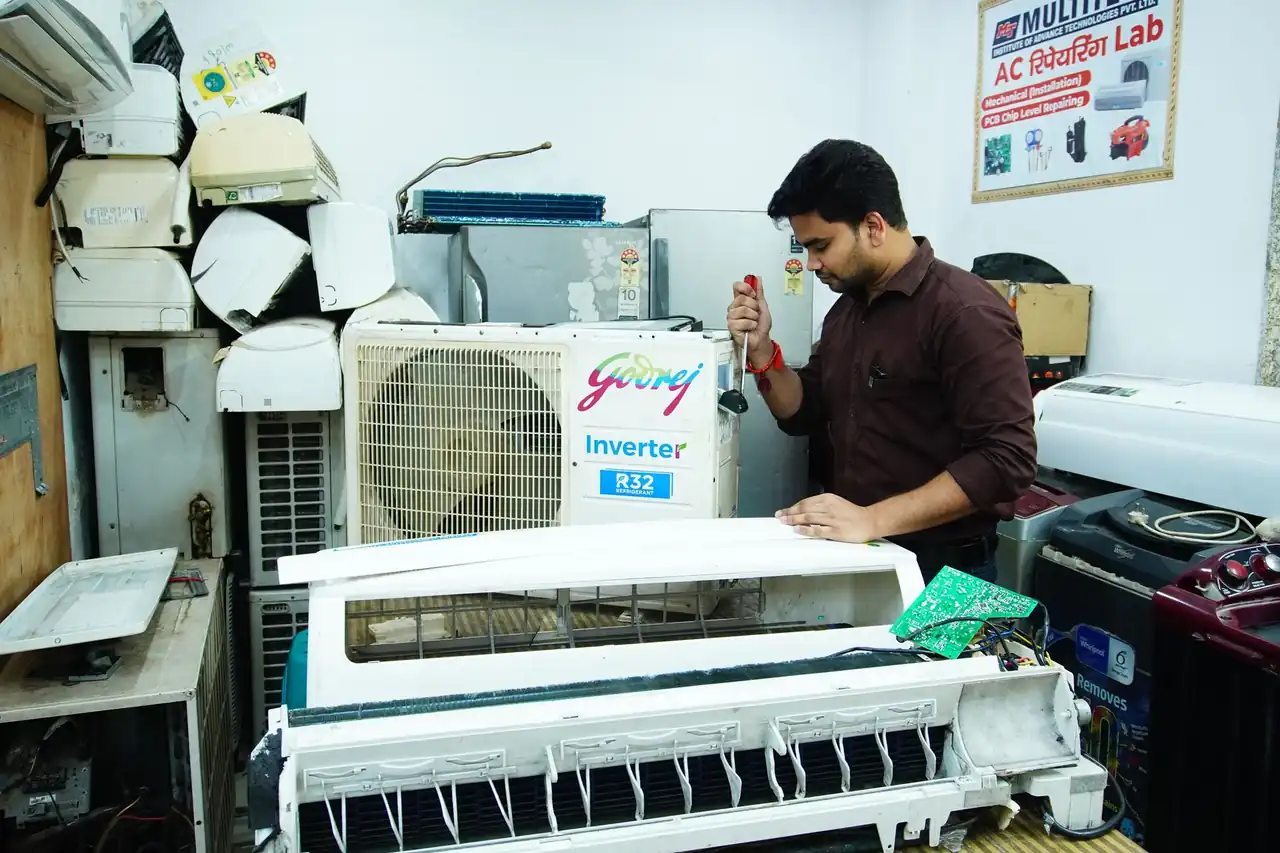
We replace the moisture sensor, clear the clogged dryer vent, and test the thermal fuse and heating element. If the fuse is blown, we replace it and confirm the dryer cycles off at the right temperature before we leave. Heat buildup can trip the thermal fuse, warp plastic components, and in worst cases start a lint fire in the vent. It also shortens the life of the heating element and control board.
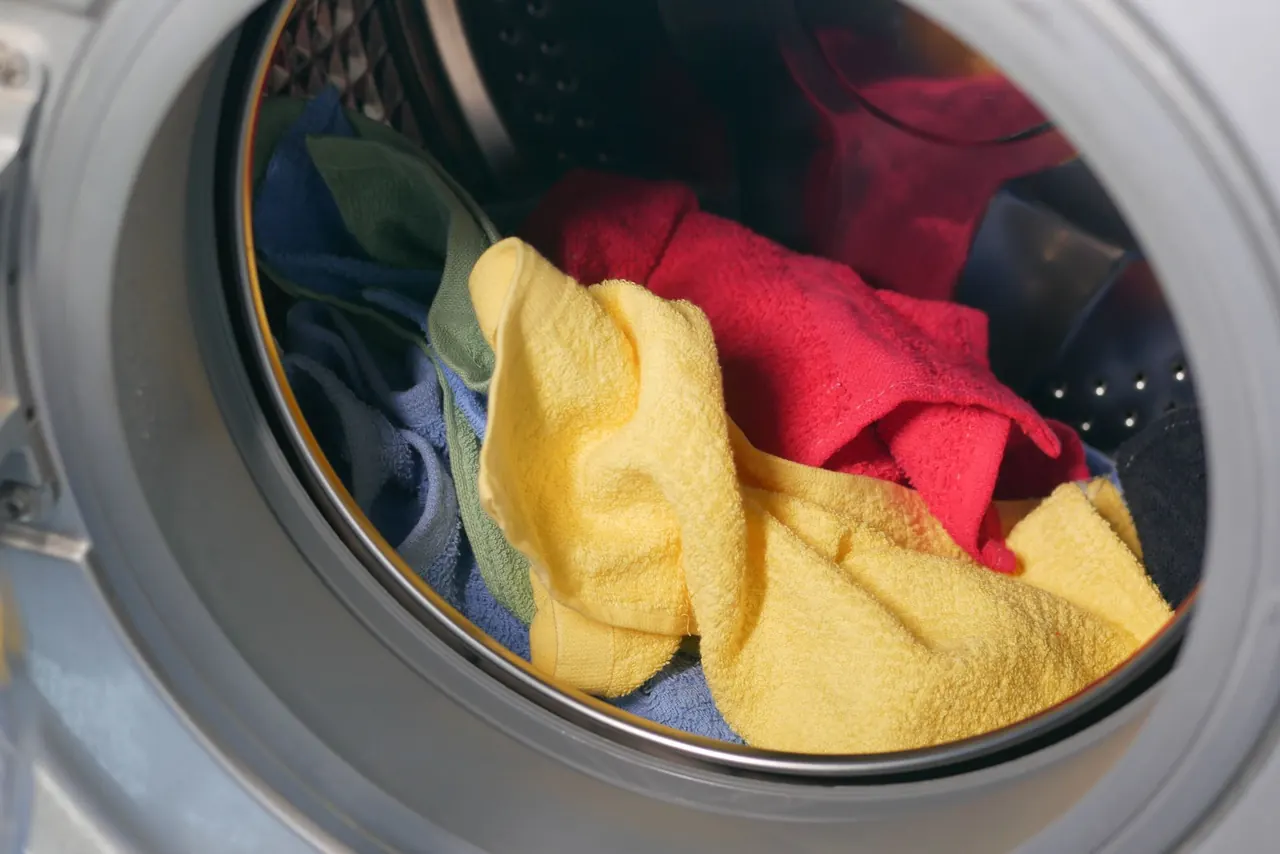
A sensor that never trips is usually coated with fabric softener residue or has a broken wire. We clean or replace the sensor, check the harness to the control board, and run a test load to confirm the auto setting works again. The dryer runs until the timer ends, which means overdried clothes, shrinking, and static. You stop trusting the auto setting and start using timed dry, which wastes more energy.

We pull the code, test the sensor and harness, and replace the failed part. If the control board is the actual fault, we tell you with the meter reading in hand and quote the board replacement before we proceed. Many Whirlpool, LG, and Samsung dryers lock out the cycle when the sensor circuit reads open. You are left with a machine that will not start and a load of wet laundry sitting in the drum.
Call before noon and we can usually have a tech at your door the same afternoon. We carry OEM moisture sensors for Whirlpool, LG, Samsung, GE, Maytag, Electrolux, Bosch, Speed Queen, Kenmore, and Frigidaire on the truck, so most jobs are finished in one visit.
A dryer that runs 90 minutes instead of 45 doubles your gas or electric use per load. Fixing the sensor cuts cycle time back to normal. For a family running eight loads a week, that adds up to real savings on your monthly utility bill.
We do not just swap the sensor and leave. We pull the dryer vent hose, check for clogged dryer vent restrictions, inspect the blower wheel, and verify airflow with a clamp meter reading on the amp draw. Restricted airflow mimics a bad sensor and causes repeat calls.
The whole point of the repair is that your towels, jeans, and bedding come out dry the first time. We run a test load before we leave and confirm the sensor trips the cycle at the right moisture level. You should not have to run the same load twice.
Typical 2026 pricing in the Toms River area runs $180 to $320 for a moisture sensor replacement with an OEM part. If the control board is also failed, expect $350 to $550. The diagnostic fee is waived when you approve the repair. We quote the full price before we start, and the invoice matches the quote. Factors like dryer brand, access, and whether the vent needs cleaning can move the number, so we confirm everything on site before we begin.
What your estimate is based on
$180 - $550 depending on parts and access A moisture sensor replacement costs far less than a new dryer and pays for itself in lower gas or electric use within a year. You get an OEM part, a tested auto cycle, and a clean vent before we leave.
Clear records you can keep and share.
Before and after sensor resistance values
The failed sensor handed back to you
Cycle time confirmed on the auto setting
The moisture sensor is a pair of metal bars inside the drum that read how wet your clothes are. When the bars are coated or the wire breaks, the control board never gets a reading and the dryer runs long.
Fabric softener and lint coat the sensor bars and block the reading. Cleaning them restores the signal, but a sensor that has read out of spec for months usually needs replacement.
The harness between the sensor and the control board can corrode or break. We test the wire as well as the sensor, because replacing a good sensor will not fix a broken circuit.
A clogged vent hose makes the dryer overheat and can kill the sensor. We check airflow on every job so the new sensor is not damaged by the same restriction.
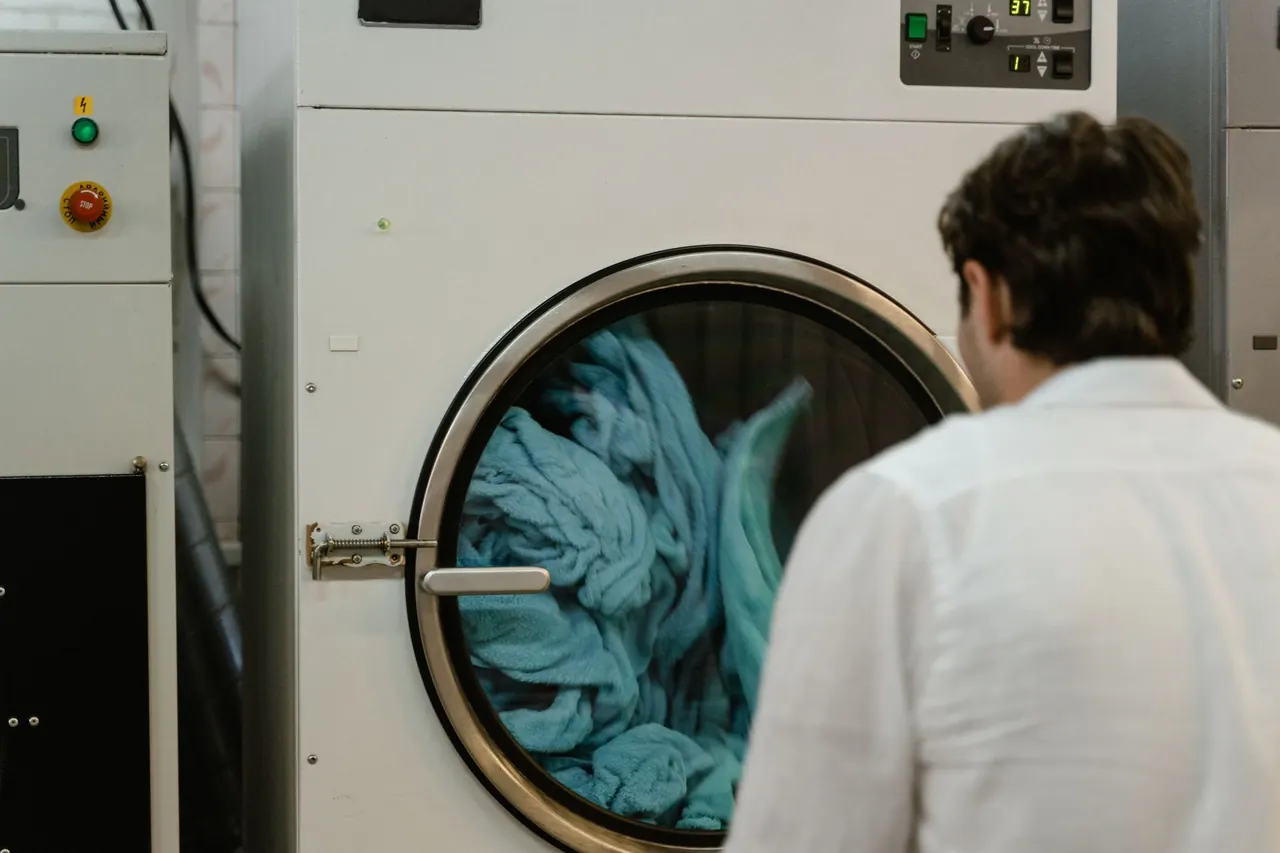
Outside these areas? Call and ask, we may still cover you. +18482758011
Most moisture sensor repairs in Toms River run $180 to $320 in 2026, including the OEM part and labor. If the control board is also failed, expect $350 to $550. We waive the diagnostic fee when you approve the repair, and we quote the full price before we touch the dryer.
We do. Laundry Fix Solutions handles dryer moisture sensor replacement Toms River New Jersey homeowners can schedule same day. Our techs carry OEM sensors for Whirlpool, LG, Samsung, GE, Maytag, Electrolux, Bosch, Speed Queen, Kenmore, and Frigidaire, so most replacements are finished in one visit.
Yes, in most cases. Call before noon and we can usually have a tech at your home the same afternoon. We keep common sensors on the truck, so the repair is typically done in 60 to 90 minutes. If your model needs a rare part, we tell you the lead time upfront.
We do. If your dryer is overheating, tripping the breaker, or leaving standing water from a related drain issue, call us and we will prioritize the visit. Emergency dryer moisture sensor repair near me Toms River requests get the first available slot, including evenings when the schedule allows.
One call gets a tech to your door with the right sensor and the tools to test it. We quote the price before we start and stand behind the part. Call Laundry Fix Solutions now and get your dryer drying on the first pass again.
Call +18482758011 or email info@laundryfixsolutions.com to book a washer or dryer repair in Toms River. We answer the phone Monday through Friday from 8:00 AM to 6:00 PM and schedule same-day slots for urgent calls. Tell us the brand, the symptom and your neighborhood, and we will give you a two-hour arrival window.