
Repair TipsLocal Guides
How to prepare your washer and dryer for Toms River winter
Toms River winters freeze laundry pipes fast. Here is how to winterize your washer and dryer before the first hard freeze, and what to do if they ice up.
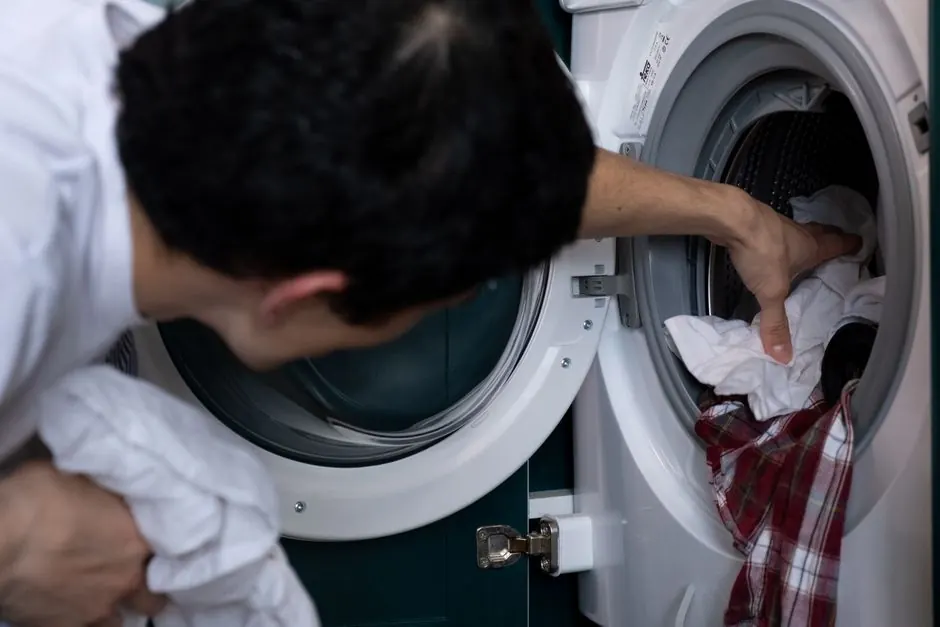
You prepare your washer and dryer for Toms River winter by shutting off the water supply, draining the hoses and pump, insulating exposed pipes, and clearing the dryer vent before the first hard freeze. Toms River routinely drops below 20°F in January and February, and that is cold enough to freeze the water sitting inside a supply hose or drain pump within a single night. This guide covers the exact steps we walk homeowners through each fall, plus what to do if your machine already froze.
Why Toms River winters are hard on laundry appliances
Toms River winters are hard on laundry appliances because most washers here live in garages, unheated basements, or first-floor laundry closets that sit against an exterior wall. Those spots get cold fast when the temperature drops, and water left in the lines has nowhere to go. The result is a cracked inlet valve, a split hose, or a drain pump full of ice.
We see the same pattern every January. A homeowner in Greenbriar runs a load on a Friday night, the temperature falls to 14°F, and by Sunday the washer will not fill. Nine times out of ten it is a frozen supply line, not a dead machine. The repair is simple if you catch it early and expensive if the ice expands and splits the valve body.
Salt air near the barrier island does not help either. Homes closer to the water see more corrosion on hose fittings and valve stems, which makes them more likely to fail under freeze stress. If your laundry setup is more than eight years old, this is the season to look at it closely.
How do I prepare my washer and dryer for winter in Toms River?
You prepare your washer and dryer for winter in Toms River by following a short checklist before the first hard freeze, usually by mid-November. The goal is to get standing water out of the system and keep cold air away from the pipes that still hold water.
- Shut off the hot and cold supply valves behind the washer. If they have not been turned in years, turn them gently and watch for drips at the packing nut.
- Disconnect the fill hoses and drain them into a bucket. Even a cup of water left in a hose can split it overnight.
- Run a short drain cycle to push water out of the drain pump and standpipe. This is the step most people skip, and it is the one that saves the pump.
- Insulate exposed pipes in the garage or crawlspace with foam pipe sleeves. A $6 sleeve on a 3-foot run of copper is cheaper than a $180 valve replacement.
- Clear the dryer vent from the back of the dryer to the exterior hood. A clogged vent plus a cold exterior flap is how you get a dryer that runs but never heats.
- Check the exterior vent hood for a stuck flap. Ice and snow can freeze it shut, and that traps lint and moisture inside the duct.
If your machine is a front-loader, tilt it forward slightly and check the door boot for standing water. Front-load washers hold more water in the drum and gasket than top-loaders, and that water freezes against the door glass. For front-load units that have already shown drain or spin issues, our Front-Load Washer Repair in Toms River, New Jersey team handles the pump and boot work in a single visit.
Top-loaders are a little more forgiving because the tub drains more completely, but the inlet valve on the back of the machine is still the weak point. If your top-loader has been slow to fill since last winter, that valve may already be partially blocked or damaged. We handle those calls through Top-Load Washer Repair Toms River and usually have the valve swapped the same day.
Can my washer pipes freeze in Toms River New Jersey?
Yes, washer pipes freeze in Toms River New Jersey, and they freeze faster than most homeowners expect. Water in a 1/2-inch supply line can turn solid in about four hours at 20°F if the line is against an exterior wall with no insulation. Once it freezes, the ice expands and the line or valve body cracks.
The three spots that freeze first are the exterior hose bib that feeds the washer, the copper stub-out behind the laundry box, and the plastic inlet valve on the back of the machine. The valve is the most common failure point because it holds a small amount of water after every fill cycle.
Freeze protection for washer and dryer setups in Toms River comes down to three things: keep the space above 40°F, keep water out of the lines when the machine is not in use, and keep cold air from blowing directly on the pipes. A cheap thermometer in the laundry room tells you more than any guess. If that room drops below 40°F on a cold night, you have a problem to fix before January.
Homes in older sections of Toms River, especially around Greenbriar and the neighborhoods off Route 37, tend to have laundry hookups on exterior walls with minimal insulation. That is where we see the most freeze damage every year. If your setup looks like that, a preventive maintenance visit in October or November is worth more than any emergency call in February.
What should I do if my washer freezes in Toms River?
If your washer freezes in Toms River, shut off the supply valves, open the faucets to relieve pressure, and warm the room gradually with a space heater or hair dryer on low. Do not pour boiling water on a frozen line. Do not run the machine until you are sure the ice is gone.
Here is the order we recommend:
- Turn off the water at the supply valves first. If the line is already cracked, this stops the leak from getting worse.
- Open the laundry tub faucet or the nearest sink to give expanding ice somewhere to go.
- Warm the space slowly. A space heater pointed at the wall behind the washer works. A hair dryer on low works for a frozen hose. Keep heat moving for 30 to 45 minutes.
- Check for leaks once things thaw. Look at the hose ends, the valve body, and the floor under the machine.
- Run a test cycle on cold with no clothes. If it fills and drains normally, you caught it in time.
If the machine fills but will not drain, the ice is likely in the drain pump or the standpipe, not the supply line. That is a different repair, and it is one we handle often through Washer Drain Pump Repair Toms River. A frozen pump that gets run anyway can burn out the motor, so stop the cycle and call before you try again.
Dryer-specific winter prep for Toms River homes
Dryers need winter prep too, mostly because cold air and snow change how the vent behaves. A dryer vent that worked fine in July can back up in January when the exterior flap freezes shut or snow piles against the hood.
Start by pulling the dryer out and disconnecting the vent. Vacuum the duct from both ends and check the exterior hood for a stuck flap or a bird nest. A clogged vent is the number one cause of a dryer that runs but leaves clothes damp, and in winter it also traps moisture that can freeze inside the duct.
If your dryer is gas, check the flexible gas connector for cracks or corrosion. Cold weather makes rubber and older flex lines brittle. If you smell gas at any point, shut the valve and call us immediately. We handle gas units through Gas Dryer Repair Toms River and test the whole line before we leave.
Electric dryers have their own winter issue: a heating element that is already weak will fail faster when the dryer has to work harder against cold intake air. If your electric dryer takes two cycles to dry a load in January, the element or the thermal fuse is on its way out. Our Electric Dryer Repair Toms River service covers both parts and we keep them on the truck.
Common mistakes we see every winter
The most common winter mistake is leaving the supply valves open all season. Homeowners think the machine needs to stay connected, but a closed valve plus a drained hose is the single best freeze protection you can get for free.
Other mistakes we see every year:
- Running a load and leaving it overnight. Water sitting in the drum and pump is water that can freeze.
- Using a space heater with no thermostat. You want the room above 40°F, not 80°F. A cheap heater with a dial works fine.
- Ignoring a slow fill. A washer that takes 90 seconds to fill instead of 30 is telling you the inlet valve is restricted. That valve is the part most likely to crack when it freezes.
- Skipping the dryer vent. A clogged vent plus a frozen exterior flap is how dryers overheat and how lint fires start.
- Thawing a line with boiling water. Thermal shock cracks copper and plastic. Warm it slowly.
We also see homeowners wait until the machine is completely dead before calling. A frozen line that is caught in the first 24 hours is usually a $150 to $250 repair in 2026 pricing. A cracked valve body plus water damage to the floor is a different number entirely.
When to call a professional
Call a professional when the machine will not fill after thawing, when you see water under the washer, or when the dryer runs but never heats. Those three symptoms point to parts that need to be replaced, not reset.
At Laundry Fix Solutions, we handle winter washer and dryer calls across Toms River every season. We find the frozen or failed part, replace it, and run a full test cycle before we leave. If your machine is older and the repair is not worth it, we tell you that straight instead of selling you a part you do not need.
If you want to get ahead of the freeze, our Preventive Maintenance for Washers and Dryers in Toms River, New Jersey visit covers the supply lines, drain pump, vent, and door seals in one appointment. It is the cheapest way to avoid a February emergency. Homeowners who want the full picture of what we offer can see it on our Washing Machine & Dryer Repair in Toms River, New Jersey page.
Frequently Asked Questions
How do I prepare my washer and dryer for winter in Toms River?
Shut off the supply valves, disconnect and drain the fill hoses, run a short drain cycle, insulate exposed pipes, and clear the dryer vent. Do this by mid-November, before the first hard freeze. The whole job takes about 45 minutes and prevents the most common winter failures.
Can my washer pipes freeze in Toms River New Jersey?
Yes. Water in a half-inch supply line can freeze in about four hours at 20°F, and Toms River hits that most January nights. The inlet valve on the back of the washer is the part that fails first, followed by exterior-wall copper lines.
Who offers winter washer and dryer maintenance near me in Toms River?
Laundry Fix Solutions offers winter washer and dryer maintenance in Toms River, including supply line checks, drain pump service, and dryer vent cleaning. We schedule these visits through November and December so the work is done before the cold sets in.
What should I do if my washer freezes in Toms River?
Shut off the water, open a nearby faucet, and warm the room slowly with a space heater or hair dryer on low. Do not run the machine until the ice is gone. If it still will not fill or drain after thawing, call us for a diagnostic visit.
How do I winterize my laundry appliances in Toms River?
Winterizing means removing standing water from the hoses, pump, and drum, then keeping the laundry space above 40°F. Close the supply valves between uses, insulate exterior pipes, and clear the dryer vent. That covers 90% of winter failures we see.
Get help with Washing Machine & Dryer Repair in Toms River
If your washer or dryer is already showing winter symptoms, we can look at it before the next cold snap. Call Laundry Fix Solutions at +18482758011 and we will get your laundry room back to normal.