
Repair TipsLocal Guides
How to clean a dryer vent in Toms River
A clogged dryer vent is the leading cause of dryer fires. Here's how Toms River homeowners can clean a dryer vent safely, plus when to call a pro.
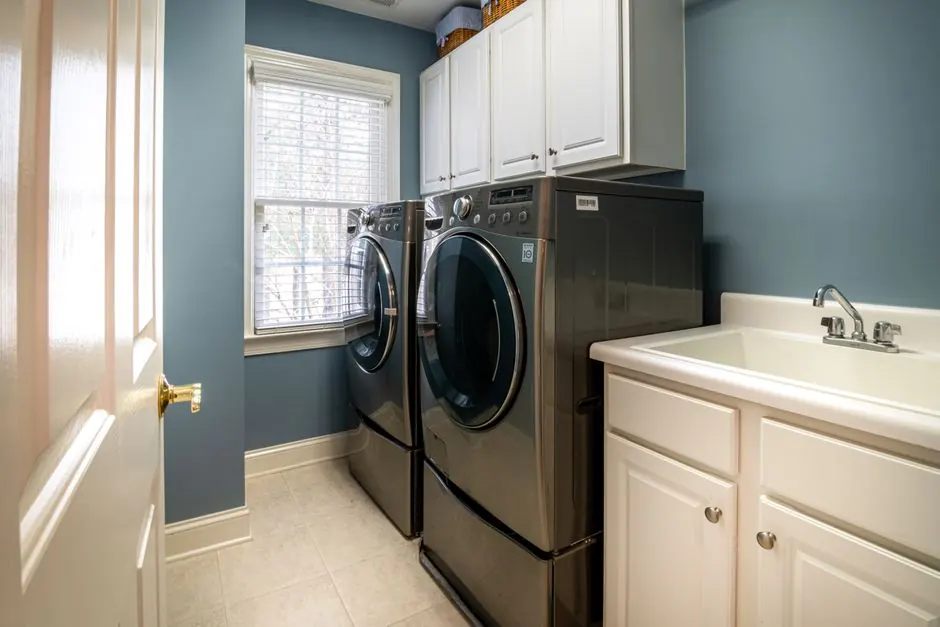
Cleaning a dryer vent in Toms River means disconnecting the dryer, vacuuming the lint from the duct and the exterior hood, and verifying that air moves freely from the appliance to the outside. Most homeowners can handle the job in about 45 to 90 minutes with a shop vacuum, a vent brush kit, and a screwdriver. If your vent run is longer than 15 feet, routed through a second-floor wall, or packed with compacted lint, a professional cleaning is the safer call.
We are Laundry Fix Solutions, and we have cleaned and repaired dryer vents in Toms River for years. This guide walks you through the tools, the step-by-step process, the warning signs that you have a blockage, and when it makes more sense to bring in a pro.
Why Dryer Vent Cleaning Matters in Toms River
Dryer vent cleaning in Toms River New Jersey is not just about drying clothes faster. The U.S. Fire Administration reports that dryers cause roughly 2,900 home fires each year, and the leading cause is failure to clean the vent. Lint is highly flammable, and when it builds up near the heating element or the exhaust hood, a single spark can ignite it.
Beyond fire risk, a clogged vent forces your dryer to run longer. That means higher PSE&G bills, more wear on the motor and heating element, and clothes that still feel damp after a full cycle. In Toms River, where many homes have dryers installed in interior closets or garages, the vent run is often longer than the manufacturer recommends, which makes lint buildup happen faster.
We see this constantly in older Toms River neighborhoods like Silverton and downtown, where homes built in the 1960s and 1970s have rigid metal ducts with multiple elbows. Every elbow slows airflow and gives lint a place to settle. If you live in one of those homes, plan on cleaning your vent more often than the standard once-a-year recommendation.
If your dryer is already showing performance problems, it may need more than a cleaning. Our team handles Dryer Repair in Toms River, New Jersey for issues like no heat, loud thumping, or a drum that will not turn.
Signs Your Toms River Dryer Vent Is Clogged
A clogged dryer vent in Toms River usually announces itself with at least two of these symptoms. If you notice any of them, stop running the dryer until you have checked the vent.
- Clothes take two or more cycles to dry. A healthy dryer dries a normal load in 45 to 60 minutes.
- The top of the dryer is hot to the touch. That heat is supposed to go outside, not into your laundry room.
- You smell a musty or burnt odor. That is lint cooking against the heating element.
- The exterior hood flap does not open. Stand outside while the dryer runs. If the flap stays closed, air is not moving.
- Lint accumulates around the dryer door or behind the unit. Some lint escapes the trap and settles in the duct.
- Your laundry room feels humid. Moisture that should be vented outside is staying indoors.
One more sign that is easy to miss: if your dryer has a lint screen that you clean every load but the vent hood outside still shows a thick mat of lint, the blockage is deeper in the duct. That is when a DIY cleaning with a short brush will not reach it.
Tools You Will Need for DIY Dryer Vent Cleaning in Toms River
DIY dryer vent cleaning in Toms River requires a few inexpensive tools. You can buy everything on this list at a hardware store in Toms River for under $60 total.
- A shop vacuum with a long hose attachment
- A dryer vent brush kit (flexible rods with a round brush head, 10 to 15 feet)
- A screwdriver or nut driver to loosen the clamp at the back of the dryer
- A vacuum hose brush or a lint trap brush
- Work gloves and a dust mask
- A flashlight or headlamp
If your vent run is longer than 15 feet, you will need an extension kit or a powered vent brush that attaches to a drill. Those cost $30 to $50. For most Toms River homes with a standard rear-vent dryer and a short duct, the basic brush kit is enough.
How Do I Clean a Dryer Vent in Toms River? Step-by-Step
Cleaning a dryer vent in Toms River follows the same process whether you have a gas or electric dryer. The only difference is that gas dryers require you to shut off the gas valve before you pull the unit out. Here is the full sequence.
Step 1: Unplug the Dryer and Move It Out
Pull the dryer away from the wall carefully. Do not yank the vent hose or the power cord. If you have a gas dryer, turn the gas valve to the off position first. Give yourself at least two feet of space behind the unit.
Step 2: Disconnect the Vent Hose
Loosen the clamp that holds the flexible or rigid duct to the back of the dryer. Pull the duct off gently. If the duct is foil or plastic flex, check it for tears or crushed sections. A crushed duct restricts airflow just as badly as lint does.
Step 3: Vacuum the Dryer Exhaust and the Duct Opening
Use your shop vacuum to pull out as much loose lint as you can from the dryer exhaust port and the duct opening. Reach in with a vacuum brush if you have one. This step removes the easy material so your vent brush does not just push it deeper.
Step 4: Run the Vent Brush Through the Duct
Feed the flexible brush rod into the duct and rotate it as you go. Work in short sections. When you pull the brush back, vacuum the lint that comes out. Repeat until the brush comes back mostly clean. If your duct has a long horizontal run, go at it from both ends if you can access the exterior hood.
Step 5: Clean the Exterior Vent Hood
Go outside and find the vent hood on your exterior wall or roof. Remove the cover if it is screwed on. Pull out the lint mat by hand, then vacuum the hood and the last few feet of duct. Make sure the flap opens and closes freely. A stuck flap is a common reason Toms River dryers overheat.
Step 6: Reconnect Everything and Test
Reattach the duct to the dryer and tighten the clamp. Push the dryer back into place, leaving a few inches of clearance so the duct is not kinked. Plug the dryer back in (and turn the gas valve back on if applicable). Run the dryer on air-only or low heat for 10 minutes and go outside to confirm that air is blowing strongly out of the hood.
If the airflow still feels weak after all that, the blockage is probably in a section you cannot reach. That is when you want a professional. We also handle Dryer Vent Cleaning and Repair Toms River for exactly this situation, including duct replacement if the old line is crushed or full of compacted lint.
How Often Should You Clean a Dryer Vent in Toms River, NJ?
Clean your dryer vent at least once a year in Toms River, and every six months if you have a large household, pets, or a vent run longer than 15 feet. The NFPA and most dryer manufacturers recommend annual cleaning as a minimum. In our experience, Toms River homes with long duct runs or multiple elbows need it more often.
Here is a simple schedule that works for most local households:
- Every load: clean the lint screen.
- Every month: check the exterior hood for lint buildup and make sure the flap moves.
- Every 6 to 12 months: full duct cleaning with a brush and vacuum.
- Every 2 to 3 years: have a professional inspect the entire duct run, including any sections behind walls.
If you have a family of five or more, or you dry heavy items like towels and bedding several times a week, lean toward the six-month schedule. Lint accumulates faster than most people expect.
Common Mistakes to Avoid
The biggest mistake we see Toms River homeowners make is cleaning only the lint trap and the first few feet of duct. That leaves the majority of the lint untouched. Here are the other missteps to watch for.
- Using a leaf blower. It can push lint deeper into the duct or into your walls.
- Ignoring a crushed or kinked duct. No amount of cleaning will fix restricted airflow if the duct itself is damaged.
- Reconnecting with foil tape only. Use a proper clamp. Foil tape alone can fail and let lint escape into the wall cavity.
- Skipping the exterior hood. The hood is where lint often packs the tightest.
- Running the dryer while you work. Never run the appliance during cleaning. Lint is flammable.
If you find that your duct is plastic flex and it is torn or full of hardened lint, replace it with rigid metal duct. That is a job we handle as part of our Preventive Maintenance for Washers and Dryers Toms River service, and it is one of the best long-term investments you can make for dryer safety.
When to Call a Professional for Dryer Vent Cleaning in Toms River
Call a professional for dryer vent cleaning in Toms River when the duct run is longer than 15 feet, when it is routed through a wall or attic, when you have already cleaned it and airflow is still weak, or when you smell burning. Those are the situations where a DIY brush cannot reach the problem.
We also get calls from homeowners in Washing Machine & Dryer Repair Toms River who have a dryer that runs but never gets hot. Sometimes that is a clogged vent. Sometimes it is a failed heating element or thermal fuse. We diagnose both on the same visit.
Our team uses rotary vent brushes and high-powered vacuums that reach the full length of the duct. We also inspect the exterior hood, check the duct material, and confirm airflow before we leave. If your vent run is in Silverton or anywhere else in Toms River, we can usually get to you the same week.
Frequently Asked Questions
How do I clean a dryer vent in Toms River?
Unplug the dryer, disconnect the duct, vacuum the lint from both openings, run a vent brush through the duct, clean the exterior hood, then reconnect and test airflow. Plan on 45 to 90 minutes for a standard run. If the duct is longer than 15 feet or routed through a wall, call a professional.
How often should I clean my dryer vent in Toms River New Jersey?
At least once a year. Every six months if you have a large family, pets, or a duct run longer than 15 feet. Toms River homes with long or elbow-heavy ducts tend to need more frequent cleaning than the standard annual schedule.
Who offers dryer vent cleaning near me in Toms River?
Laundry Fix Solutions offers professional dryer vent cleaning in Toms River and surrounding Ocean County areas. We use rotary brushes and high-powered vacuums to clear the full duct run, inspect the exterior hood, and verify airflow before we leave. Call +18482758011 to schedule.
How much does dryer vent cleaning cost in Toms River?
Typical 2026 pricing in this area runs $100 to $200 for a standard vent cleaning, depending on duct length and accessibility. Roof vents, long runs, or ducts that need replacement cost more. We give you the price before we start.
Can a clogged dryer vent cause a fire in Toms River homes?
Yes. Lint is highly flammable, and the U.S. Fire Administration attributes roughly 2,900 home dryer fires per year to failure to clean the vent. A clogged vent traps heat and lint near the heating element, which is exactly where a fire can start. Annual cleaning is the simplest prevention.
Get Help with Washing Machine & Dryer Repair in Toms River
If your dryer is taking too long, running hot, or you just want the vent cleaned and inspected by someone who does it every day, we can help. Our team handles dryer vent cleaning, duct repair, and full dryer diagnostics across Toms River and Ocean County.
Call Laundry Fix Solutions at +18482758011 to schedule your dryer vent cleaning or repair.